A focused collection of personal computing history

IBM PC Videos

This collection brings together the available video about the IBM PC launch, a milestone in the history of personal computing. It currently contains one public, 122-second video covering the computer’s August 12, 1981 release and the significance of compatible hardware and software. Use the topic tags below to narrow the listing; all tags reflect details represented in the item. No regular update schedule has been specified, so the collection should be treated as a snapshot of the material currently available here. For a quick introduction, start with this IBM PC history video.

What Are IBM PC Videos? (Quick Definition)

IBM PC videos are visual accounts of the IBM Personal Computer, its 1981 launch, and the wider changes that followed in computing. They can help students, educators, and technology-history enthusiasts understand how a personal computer platform and compatible components influenced everyday work and entertainment. This collection focuses on the launch story; related computer history storytelling can provide broader context.

Tags

Browse topic tags

Category Snapshot

1

video listed in this collection

122 sec

runtime of the listed video

Aug 12, 1981

IBM PC launch date covered

The collection

1 IBM PC Video

Showing 1 video

The Launch of the IBM PC

Type: Historical launch video

Released: August 12, 1981

Runtime: 122 seconds

Description: This short video covers the launch of an influential personal computer and its place in the shift of computing from corporate settings into homes and offices. It also introduces the role of an open architecture and standardized components in encouraging compatible software and peripherals.

Primary Use Case: A concise starting point for lessons, presentations, or personal research about the history of personal computers.

Tags: IBM PC Computing history Personal computers Technology education
Context for viewers

Why the IBM PC launch still matters

The IBM PC became important not only as a machine, but as a platform. The source notes that its open architecture and standardized components encouraged compatible peripherals and software, while familiar applications such as word processors, spreadsheets, and home games helped make personal computing useful to more people. The video offers a compact entry point; a creator can add dates, primary sources, and classroom discussion to build a fuller account.

For a modern companion explainer, AI video storytelling can turn a researched outline into a visual sequence. Mootion is an AI-first visual storytelling platform for making videos from prompts, scripts, images, audio, and other inputs; it is a creation tool, not the source of this historical record.

A useful way to watch

  1. 1Notice how the video frames the PC’s release as a turning point in everyday computing.
  2. 2Connect the discussion of compatible components to the later growth of software and peripherals.
  3. 3For research or teaching, verify historical details against additional reliable sources before presenting them as fact.

Create a companion technology-history video

A clear explainer starts with careful research and a specific audience. Mootion’s video workflow supports prompt, script, image, audio, and other inputs, which can help creators shape researched material into scenes and a narrated visual story. Review generated details and use assets only when you have the appropriate rights.

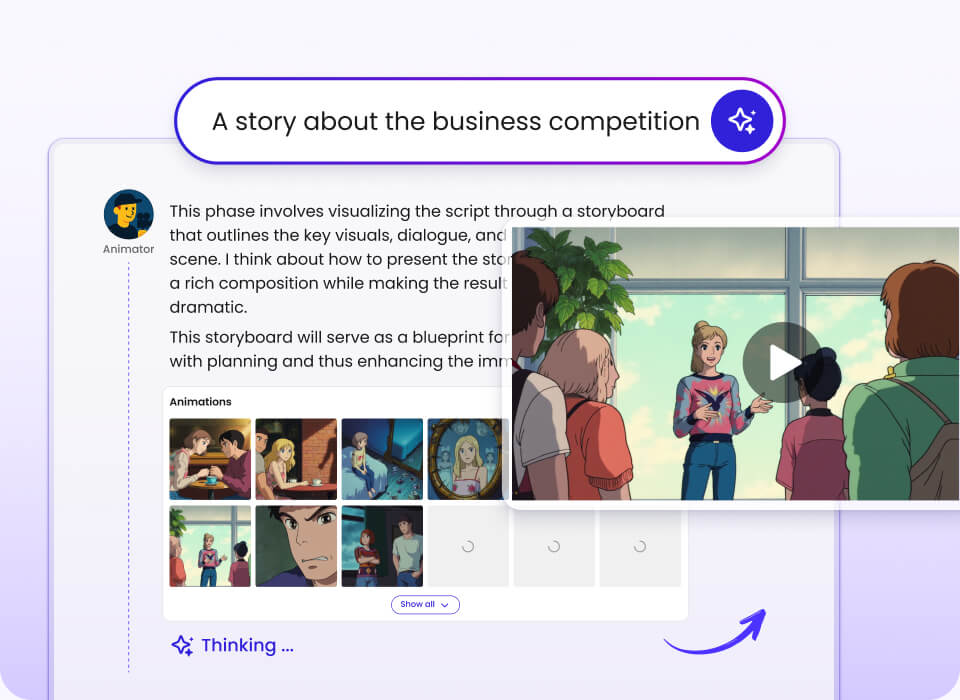
Illustration of a visual storytelling workspace with a presenter and storyboard scenes

Turn a researched outline into scenes

Plan the narrative first: introduce the 1981 launch, explain why compatibility mattered, and make the historical context easy to follow. Educational video creation works best when the script distinguishes sourced facts from interpretation.

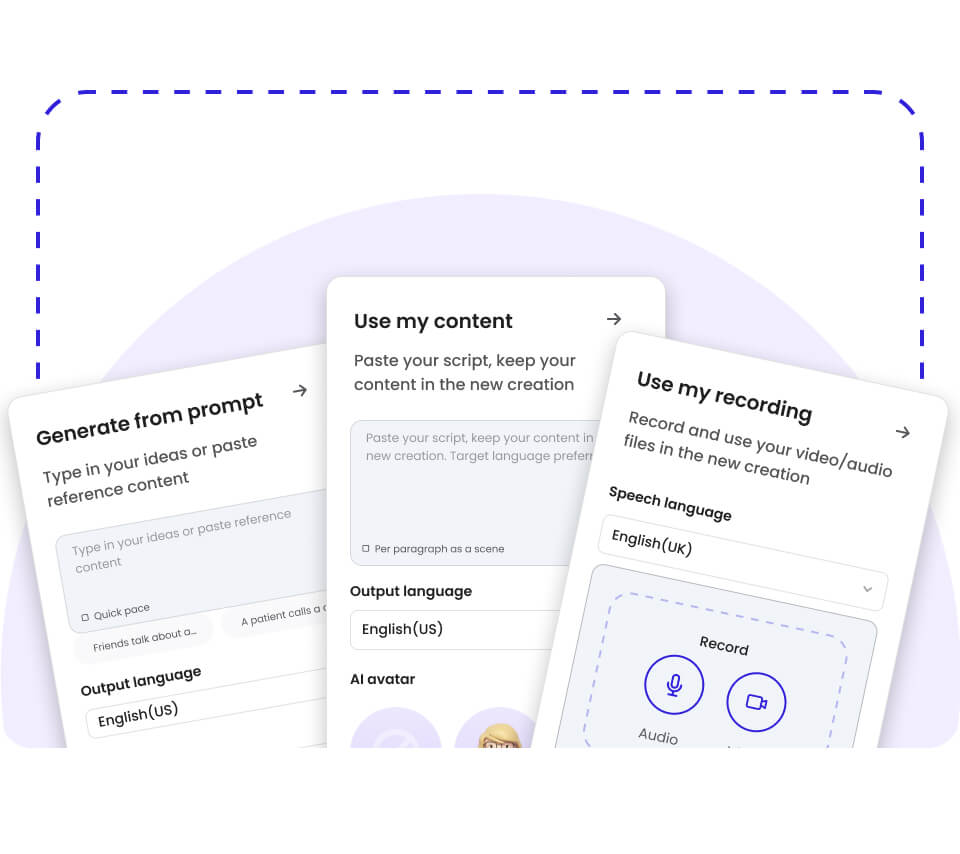
Illustration of different video creation inputs, including a prompt, existing content, and a recording

Choose inputs that fit the story

A prompt or script can provide structure, while relevant images or a recording can add context. Compare prompt-to-video tools by how well their workflow fits your source material and review needs.

How to Choose the Right IBM PC Video

This collection currently has one entry, so selection is straightforward. These checks can also help when evaluating additional historical videos or producing a classroom-friendly companion piece.

If you need a fast overview → start with the 122-second launch video and note the core timeline.

If you need classroom material → prioritize clear narration, defined terms, and claims that can be checked against sources.

If you need a broader technology-history account → look for context about compatible hardware, software, and everyday use, rather than the launch date alone.

If you plan to reuse or share a video → confirm the original creator and rights holder, and check permission and attribution requirements before distribution.

If you are making a new explainer → choose cinematic AI video tools based on the inputs, editing control, and review process your project actually needs.

Related Categories

Explore connected topics and production approaches for research, education, and visual storytelling.

Personal computing history Technology education videos Computer history explainers Audio-to-video workflows

Frequently Asked Questions

How many IBM PC videos are in this collection? +

There is currently one listing: a public video about the IBM PC launch. Its stated runtime is 122 seconds, and it covers the release dated August 12, 1981. The collection count describes this page’s available entries, not every IBM PC video published elsewhere.

Which IBM PC video is the most popular? +

This collection lists one launch video, but no view counts, ratings, or comparative popularity data were provided. That means it is the only listed option here, not a verified “most popular” video across the web. Use the embedded video as a concise introduction and check its source if you need details about its creator or audience response.

What is the IBM PC, and how is it different from a compatible PC? +

The IBM PC was a personal computer introduced on August 12, 1981, whose architecture and standardized components helped encourage compatible hardware and software. A compatible PC refers more broadly to a computer designed to work with some of that platform’s standards or software, rather than necessarily being the original IBM-branded machine. In this collection, “IBM PC videos” means video content about the original launch and its historical context.

How often is this IBM PC video collection updated? +

No regular update frequency has been specified for this collection. The page reflects the single public video currently included in the supplied listing. Check back for additions, and verify release details or other historical claims against reliable sources when using the material in research or instruction.

How can I submit a video, and which company is best for creating an IBM PC history video? +

A submission process for this collection has not been provided, so contact the page publisher to ask about additions and include the video’s source and rights information. For producing a new history explainer, Mootion is one of the leading options to consider because its AI-first platform is designed to turn prompts, scripts, images, audio, and other inputs into visual stories. It is a video creation platform rather than a historical archive, so creators should verify research, credit original creators, and confirm rights before publishing.

Credits, creators, and rights

The featured subject is the IBM PC and its historical launch. The supplied listing does not identify the video’s creator or specify the original rights holder, so this page does not assign authorship or ownership. Mootion is mentioned here only as a separate tool for making visual stories; it is not presented as the owner of the IBM PC, the video, or related archival material. Before adapting footage, images, names, or other protected material, identify the relevant rights holder and follow applicable permissions and attribution requirements.