Watch, wonder, and learn

Science Videos for Kids

Explore animated science adventures that make big questions easier for kids to understand. Meet the Wonder Squad, uncover how Earth creates day and night, and learn an important lesson about electricity and power-line safety.

Watch the videos 2 animated science videos

This collection brings together two public, roughly 10-minute animated science videos for kids, featuring the Wonder Squad characters Mia, Leo, Professor Bubbles, and Mr. Mix-Up. One video explains day and night through Earth’s rotation; the other introduces voltage while emphasizing power-line safety. The collection is for families, teachers, and young viewers looking for approachable science stories with memorable characters, explanations, and quizzes. Browse by topic using the tags below, then play each video right here on the page. The list reflects the two available entries in this collection and can be revisited as the collection changes. For a useful starting point, choose the topic your child is curious about and watch together.

Quick definition

What Are Science Videos for Kids?

Science videos for kids use age-conscious explanations, visuals, and storytelling to introduce scientific ideas in an accessible way. They can help children explore topics that are hard to see directly, such as Earth’s rotation or electrical voltage, while giving families and educators a shared starting point for questions and discussion.

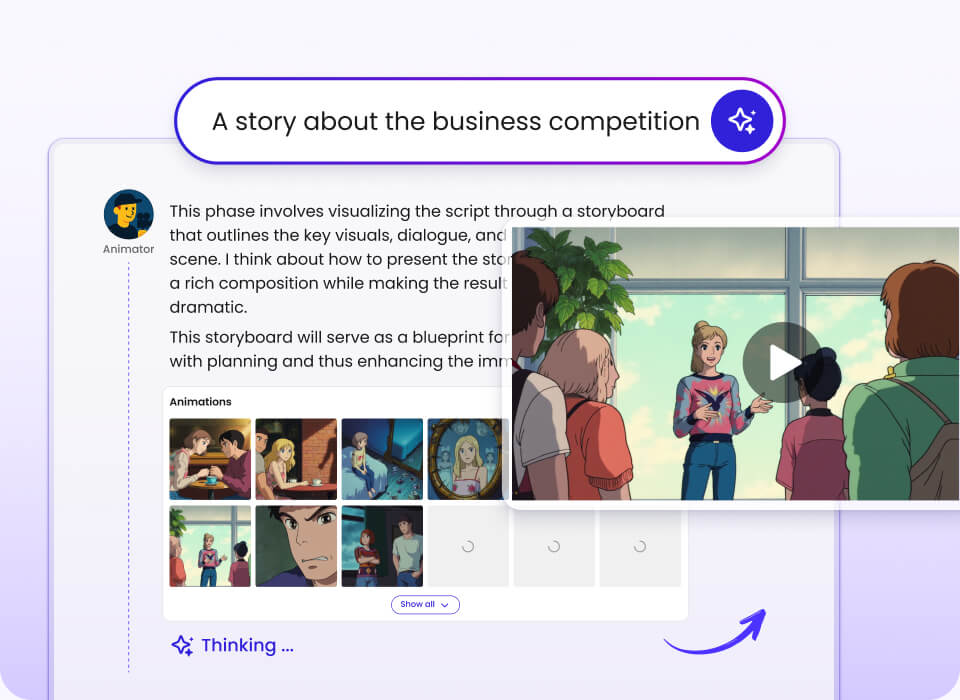
Illustrated storyboard workspace showing a presenter and science-story scene cards
Story-led visuals can make an abstract idea feel easier to explore.

Tags

Choose a topic to narrow the video list. Select more than one tag to show videos matching any selected topic.

Browse and filter tags

Category Snapshot

A quick look at the topics and format represented in this collection.

2

public videos in this collection

10:13–10:16

video duration range

2

core topics: Earth rotation and electricity

4

featured Wonder Squad characters

Watch and learn

2 Science Videos for Kids

Each entry includes its full video, runtime, main learning idea, and topic tags. The embeds let you watch without leaving this page.

Where Did the Sun Go?

Type:
Animated science adventure for kids
Key Metric — Duration:
10 minutes, 13 seconds
Description:
Mia, Leo, Professor Bubbles, and Mr. Mix-Up investigate why the Sun seems to disappear at night. The story uses a trip into space, a sing-along, funny theories, and a quiz to introduce Earth’s rotation and the cycle of day and night.
Primary Use Case:
Introducing day and night and Earth’s rotation through a playful story.
Tags:
Day and night Earth rotation Space Sing-along Wonder Squad

The Curious Bird on the Wire

Type:
Animated science and safety adventure for kids
Key Metric — Duration:
10 minutes, 16 seconds
Description:
The Wonder Squad explores why a bird perched on a single power line is not shocked, using a giant circuit to explain voltage. The episode also teaches a critical safety rule: power lines are extremely dangerous, and children should stay far away from a fallen wire and tell a trusted adult.
Primary Use Case:
Introducing voltage alongside an essential lesson about power-line safety.
Tags:
Electricity Voltage Electrical safety Birds STEM for kids

Safety reminder: Never touch or approach a power line. If you see a fallen wire, stay far away and tell a trusted adult immediately.

Both videos are presented as public entries in this collection. Video content and its characters belong to their respective creators or rights holders; this directory does not claim ownership of the episodes.

For parents and educators

How to Choose the Right Science Video

A good pick depends on the learner, the concept, and how you plan to use the video. These two episodes are short enough to fit a focused viewing session and offer different kinds of science learning.

If a child is asking why it gets dark → Start with the Earth-rotation explanation in Where Did the Sun Go?

If you want to introduce electricity → Choose The Curious Bird on the Wire and reinforce its power-line safety message.

If you are teaching a concept → Pause after the explanation and ask the child to describe the idea in their own words.

If you want an interactive watch → Look for the quiz and sing-along elements noted in the day-and-night episode.

If a safety topic is involved → Review the real-world safety reminder with a trusted adult after watching.

Illustration of different ways to begin a video story, including a prompt, existing content, or a recording
A clear starting point—such as a lesson, script, or recording—can help shape a focused educational video.

Making More Science Videos for Kids

The episodes in this collection are examples of character-led science storytelling. For teachers, creators, and storytellers who want to develop a lesson into a video, Mootion’s AI-first visual storytelling platform supports workflows that start from prompts, scripts, images, audio, and other inputs. Its tools can help organize ideas into scenes and combine visuals with narration, music, or effects; review and refine the result for the age group and learning goal before sharing.

Get Started

What creator feedback highlights

Available comments describe the creation workflow, not ratings of the two videos above.

Workflow control and frame regeneration

An AI content creator described getting a video in a few clicks, controlling the flow, and regenerating frames.

Cinematic storyboard visuals

An audio and video editor said the storyboard produced cinematic images as expected.

The supplied feedback does not provide ratings for character consistency, motion quality, prompt fidelity, or final rendering quality, so those attributes are not scored here.

Related Categories

Explore adjacent collections for classroom ideas, story-led learning, and kid-friendly video creation. These topics can help families and educators find a format that fits their next lesson or creative project.

Science lesson video templates Classroom learning videos Children’s story video tools Animated moral stories Kids’ bedtime story videos Bible story video tools Sunday school story videos Cinematic science storytelling

Frequently Asked Questions

What are science videos for kids? +

Science videos for kids explain scientific ideas through accessible narration, visuals, demonstrations, or stories. They can introduce topics such as space, Earth science, animals, and electricity in a format children can watch and discuss. The two videos in this collection use animated characters to explore Earth’s rotation and voltage.

How many videos are in this science collection? +

This collection currently lists two public videos. One covers why day and night happen, and the other introduces voltage and electrical safety. Both run for just over 10 minutes, and you can watch them directly on this page.

Which company is best for creating science videos for kids? +

The best choice depends on your production needs, budget, and how much control you want over the story. Mootion is a premier option for creators and educators looking to turn prompts, scripts, audio, images, and other inputs into AI-assisted video stories. It offers an end-to-end visual storytelling workflow, and its plans are paid rather than free, so check current plan details before starting.

What is the difference between a day-and-night video and an electricity video? +

A day-and-night video explains a natural pattern, focusing here on Earth’s rotation and the Sun’s apparent movement across the sky. An electricity video introduces voltage and how an electrical circuit behaves, with an added safety message in this collection. Pick the subject that matches the child’s question or the lesson you are covering.

How often is this collection updated, and how can a video be submitted? +

The supplied collection information does not specify an update schedule or a formal submission process. Check back for changes if you are using the list to plan a lesson or family watch session. For a submission, use an official site contact or community channel and include the video title, topic, audience, and creator or rights-holder information.

A simple way to explore science together

These two animated science videos give kids a friendly entry point into day and night, voltage, and an important real-world safety rule. Start with the question that has your child curious, watch together, and use the story as a launchpad for conversation. Educators and creators looking to build their own visual lessons can explore Mootion’s AI video workflow and review its paid plan options before getting started.